
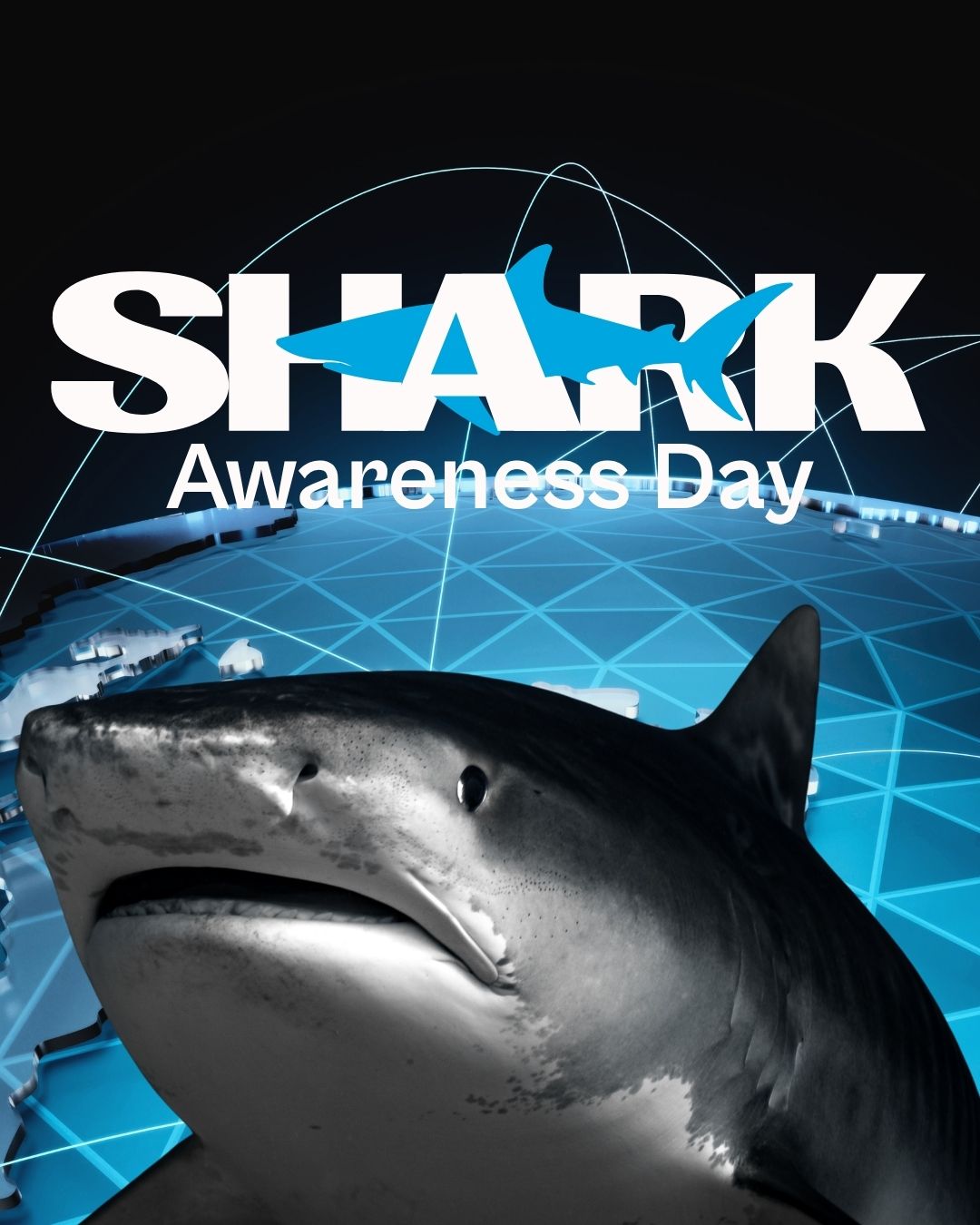
Shark Awareness Day 2026: Celebrating the Guardians of Our Oceans
Sharing is caring!
Published on 14 Jul, 2026
Written by KelseyResident Marine Biologist, Cozy Scuba Club
Celebrating the Guardians of Our Oceans
Every year on 14 July, Shark Awareness Day reminds us of the vital role sharks play in maintaining healthy marine ecosystems. Despite common misconceptions, sharks are not mindless predators—they are essential to the balance of our oceans and have been shaping marine life for hundreds of millions of years.
At Cozy Scuba Club, we are proud to support shark conservation through marine research, responsible tourism, and education. This Shark Awareness Day, we invite you to discover fascinating facts about these remarkable animals and learn why protecting them is more important than ever.
Expert Quote
"Sharks play a vital role in maintaining the health of our oceans. They help maintain the overall balance of marine ecosystems by regulating populations throughout the food web. Healthy shark populations contribute to resilient and thriving oceans, supporting countless other marine species. Without sharks, our oceans cannot function properly, which is why these remarkable animals deserve our respect, appreciation, and protection."
— Kelsey, Marine Biologist, Cozy Scuba Club
Shark Facts
1. Sharks Have Been Around for 450 Million Years
Fossil records reveal that sharks have been roaming the oceans for about 450 million years and have survived five mass extinctions, including the one that wiped out the dinosaurs approximately 66 million years ago.
2. Sharks Never Stop Growing Teeth
Sharks have multiple rows of teeth in their jaws. When one tooth falls out, another rotates forward to replace it, allowing sharks to continuously grow new teeth throughout their lives. Depending on the species, many sharks can produce up to 30,000 teeth, while Great White Sharks may produce as many as 50,000.
3. Sharks Protect Their Eyes
Some shark species, including tiger sharks, have a protective eyelid called a nictitating membrane, which covers their eyes when striking prey. Other species, such as Great White Sharks, roll their eyes back into their sockets to protect them from injury.
4. The Longest-Living Shark
The Greenland Shark is the longest-living shark species, with individuals capable of living for more than 400 years. These cold-water sharks can grow to approximately 6 metres (20 feet) in length.
5. The Largest Shark Species
The Whale Shark is the largest shark species, commonly growing up to 12 metres (40 feet) in length. The largest recorded individual measured an incredible 18.8 metres (61.7 feet).
6. Tiger Sharks Can Have Large Litters
Tiger sharks can produce up to 60 pups in a single pregnancy, with the largest recorded litter reaching 80 pups. These pups are born alive and are immediately capable of swimming, hunting, hiding, and surviving on their own.
7. Young Tiger Sharks Have Bright Stripes
Tiger shark stripes are especially vibrant when they are young, helping them camouflage from predators. As they age, the stripes gradually fade, particularly in individuals that spend more time near the ocean's surface under strong sunlight—a phenomenon sometimes compared to "shark sunburn."
8. Every Tiger Shark Is Unique
Marine biologists can identify individual tiger sharks by the unique countershading pattern on the sides of their faces. Like fingerprints, these patterns remain unchanged throughout their lives.
9. Female Tiger Sharks Grow Larger
Tiger sharks typically grow to 3.5–4 metres (11–13 feet) in length. The largest verified female measured 5.5 metres (18 feet) and may weigh between 385–635 kilograms (850–1,400 pounds). Pregnant females are believed to reach 1,000 kilograms (2,200 pounds). Males generally reach a maximum length of 3.8 metres (12.5 feet), making females the larger sex.
10. Fuvahmulah Is a Global Hotspot for Tiger Sharks
Fuvahmulah is an important pregnancy ground for female tiger sharks and is home to the world's largest aggregation of tiger sharks. Currently, 320 individual tiger sharks have been identified in Fuvahmulah's waters, 276 of which are female.
The Biggest Myth About Sharks
One of the biggest myths surrounding sharks is that they actively hunt humans or that entering the water with sharks will inevitably result in being bitten or killed.
This is a dangerous and false misconception.
Sharks are not hunting humans and generally show very little interest in us. Worldwide, there are only 10–12 fatal shark bites each year, an incredibly small number considering the hundreds of millions of people who enter the ocean annually.
In fact, cows kill more people each year than sharks, yet no one believes cows actively hunt humans. Sharks deserve respect—not fear.
Cozy Scuba Club's Marine Science & Conservation
Cozy Scuba Club is committed to the research and conservation of Fuvahmulah's tiger sharks and marine ecosystem.
We are proud to be one of only four dive centres with a resident marine biologist, actively studying Fuvahmulah's tiger shark population through the Tiger Shark Identification, Tiger Shark Pregnancy, and Laser Photogrammetry Measurement projects.
These research programmes provide valuable insights into tiger shark ecology, behaviour, growth, and reproduction, including newly discovered reproductive strategies.
Fuvahmulah offers a unique natural environment, hosting the world's largest aggregation of tiger sharks while serving as an important pregnancy ground for female tiger sharks. There is still so much to discover, and the opportunities for scientific research in Fuvahmulah are endless.
Our marine biologist is also developing a Coral Analysis Project to better understand the abundance and diversity of Fuvahmulah's coral reefs. This initiative will help establish the island's first long-term coral reef monitoring programme, creating exciting opportunities for future marine conservation and research.
Responsible Tiger Shark Diving
Responsible diving ensures both diver safety and shark conservation.
- Remain calm. Avoid fast or jerky movements, and keep your hands, arms, and camera close to your body.
- Hold your position and maintain eye contact with closely approaching sharks. This demonstrates confidence and reminds the shark that you are not prey. Plus, there's nothing quite like looking a tiger shark in the eye.
- Do not use camera flashes or dive torches. Bright lights can disorient sharks and cause unpredictable behaviour.
- Avoid brightly coloured or white clothing and dive equipment, as these may attract sharks to investigate more closely.
- Never touch or chase sharks. We are guests in their home, and they deserve our utmost respect.
Protect, Respect & Dive Responsibly
Every shark plays an important role in keeping our oceans healthy. By supporting responsible diving, scientific research, and marine conservation, we can help ensure these incredible animals continue to thrive for generations to come.
This Shark Awareness Day, join us in celebrating one of the ocean's most misunderstood yet essential species. Whether you're an experienced diver or simply passionate about marine life, together we can make a difference.
Experience the world's largest aggregation of tiger sharks in Fuvahmulah. Dive responsibly. Learn from science. Protect our oceans with Cozy Scuba Club.
Written by KelseyMarine BiologistCozy Scuba Club – Marine Science & Conservation
Tags
Recent Articles
-
 Cozy Deck Fuvahmulah: A New Dining Experience for Cozy Scuba Club DiversFood Sep 16, 2026
 -
 Whale Shark Diving in South Ari Atoll, Maldives: Complete GuideStory Sep 16, 2026
 -
-
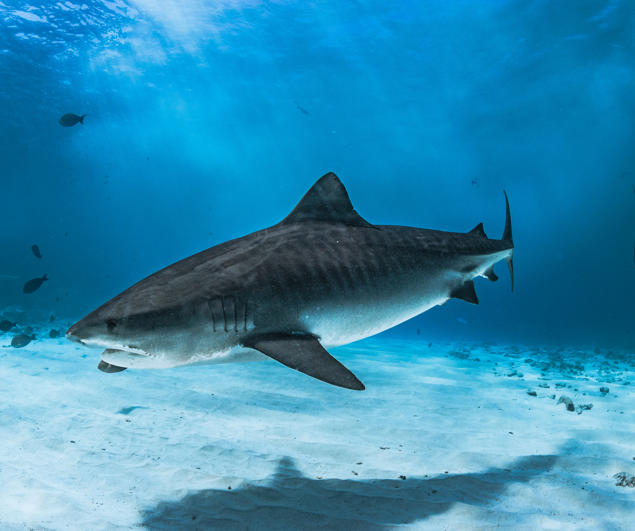 Fuvahmulah Tiger Shark Diving Packages: Choose the Right Trip for YouStory Sep 12, 2026
 -
Why the Fuvahmulah Marine Ecosystem is Healthy & RichStory Aug 13, 2026