
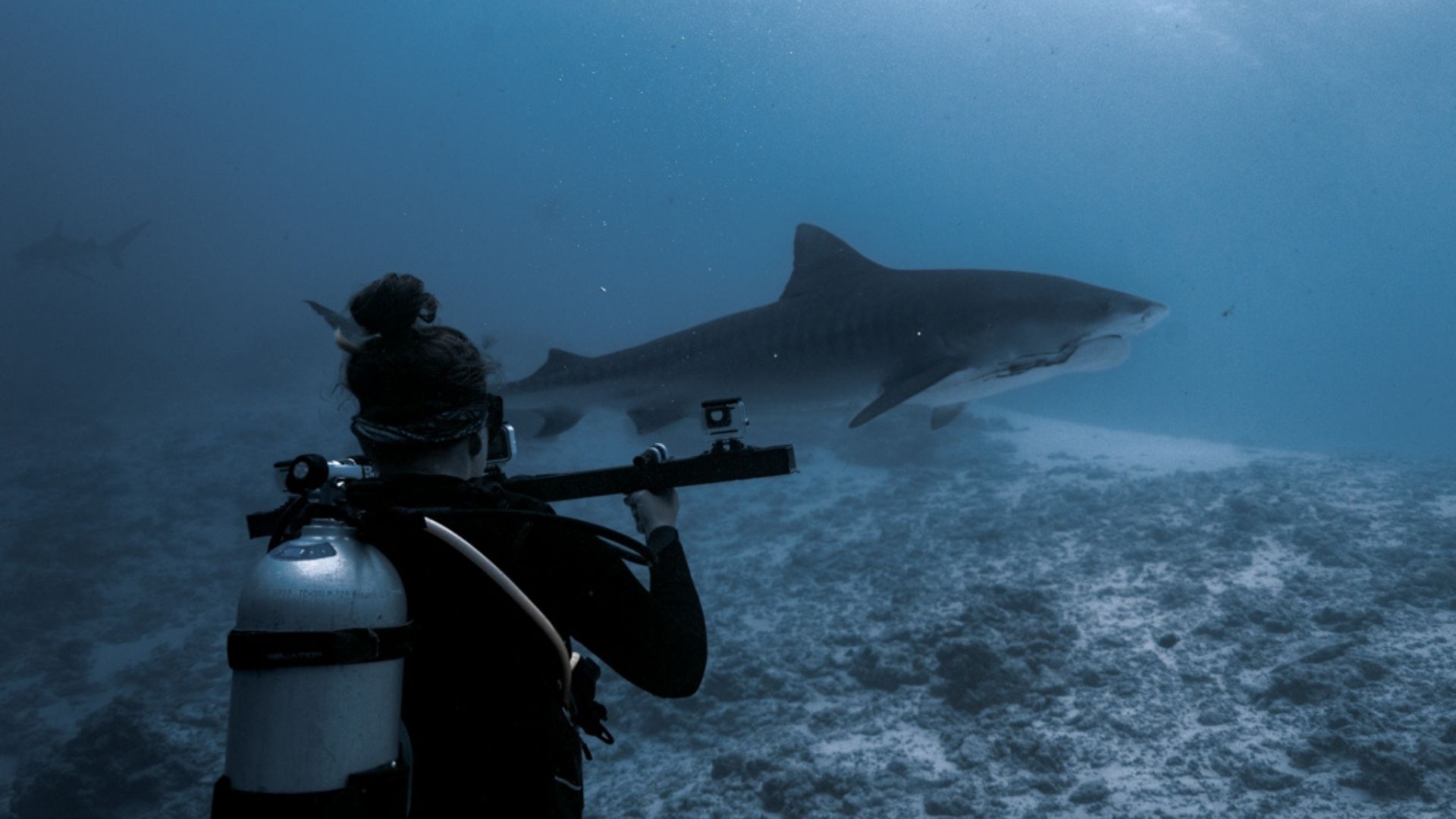
Tiger Shark Photo Identification in Fuvahmulah, Maldives
Sharing is caring!
Published on 01 Jul, 2026
SCIENCE BLOG SERIES #1
Tiger Shark Photo Identification in Fuvahmulah, Maldives
How Marine Biologists Identify Individual Tiger Sharks
Written by: Kelsey Taylor
Resident Marine Biologist
Cozy Scuba Club | Cozy Marine Research & Conservation
Introduction
Every tiger shark has its own unique natural fingerprint.
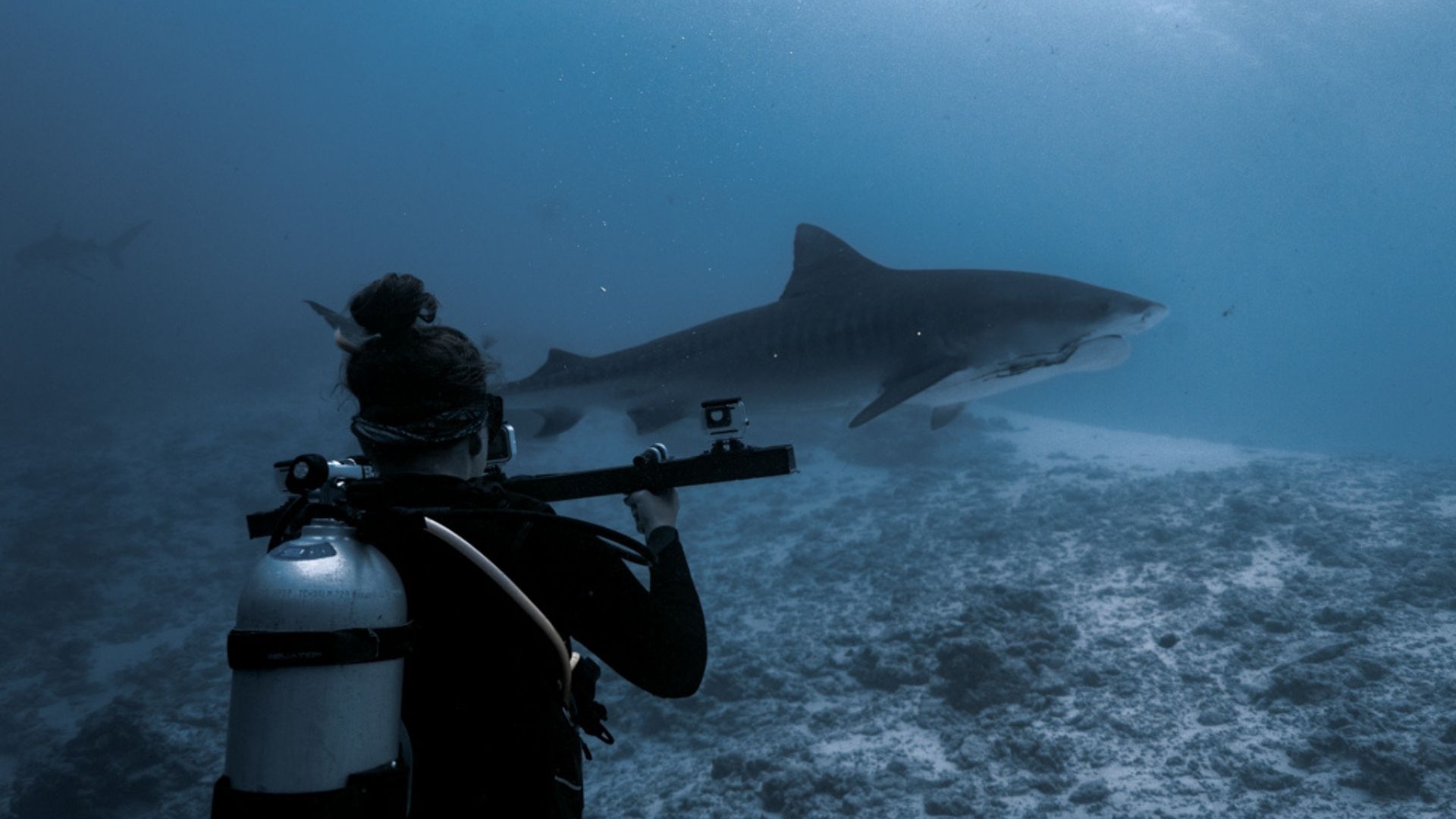
At Cozy Scuba Club, every Tiger Shark Dive is more than an unforgettable underwater encounter, it's an opportunity to witness one of the Maldives' most fascinating long-term marine research projects.
Our resident Marine Biology team studies individual tiger sharks using photo identification, helping build one of the largest tiger shark identification catalogues in the Maldives. Through daily observations and thousands of underwater photographs, we continue expanding our understanding of these remarkable apex predators while sharing this knowledge with divers from around the world.
Whether you're a marine life enthusiast, underwater photographer, or passionate diver, every visit contributes to a greater appreciation of these incredible animals.
Research Highlights
- Marine research project established in 2017
- 320 identified tiger sharks
- Weekly Marine Biology Presentation
- Daily field observations
- Long-term monitoring programme
- Guest photographs contribute to ongoing research
Tiger Shark Photo Identification
The tiger shark photo identification project began in 2017. Daily tiger shark dives began, and guests and guides alike took photographs of their incredible tiger shark encounters. These photos sat waiting in the archives until one of the first marine biologists, Lennart Vossgaetter arrived.He spent countless hours reviewing more than 30,000 images, identifying individual sharks and organizing them into the first tiger shark identification catalogue.. Resident marine biologists continue this project, expanding on the original ID catalogue so it now includes 44 male and 276 female tiger sharks, for a total of 320 identified individuals.
The big question on people’s minds is How on earth do you recognize the tiger sharks!? Well, it is surprisingly straight forward! Tiger sharks have unique countershading patterns on the sides of their heads, just in front of their pectoral fins where the dark upper surface meets the light underside (see Fig 1.). This design, known as the fingerprint of the shark, distinguishes the sharks from one another and allows biologists to identify each tiger shark present on our daily Tiger Harbour dives.
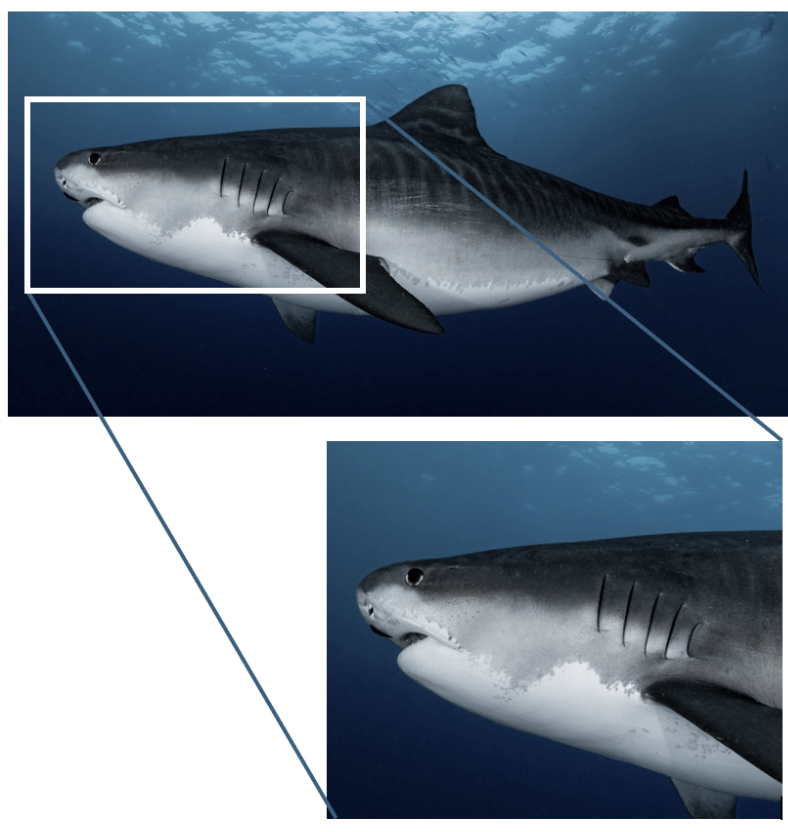
Figure 1. This is one of our identified female tiger sharks called Risla (F-074). Her countershading is highlighted in the zoomed-in image and is the identifying pattern we use to ID her.
See! Pretty straight forward. But there’s a catch! These patterns are different for the right and left side of the tiger shark. So, to properly ID each shark, our marine biologist needs to know the unique pattern for both sides of one shark! You can see just how different these designs can be in Figure 2, which shows the left and right-side patterns of Whitepec (F-140).
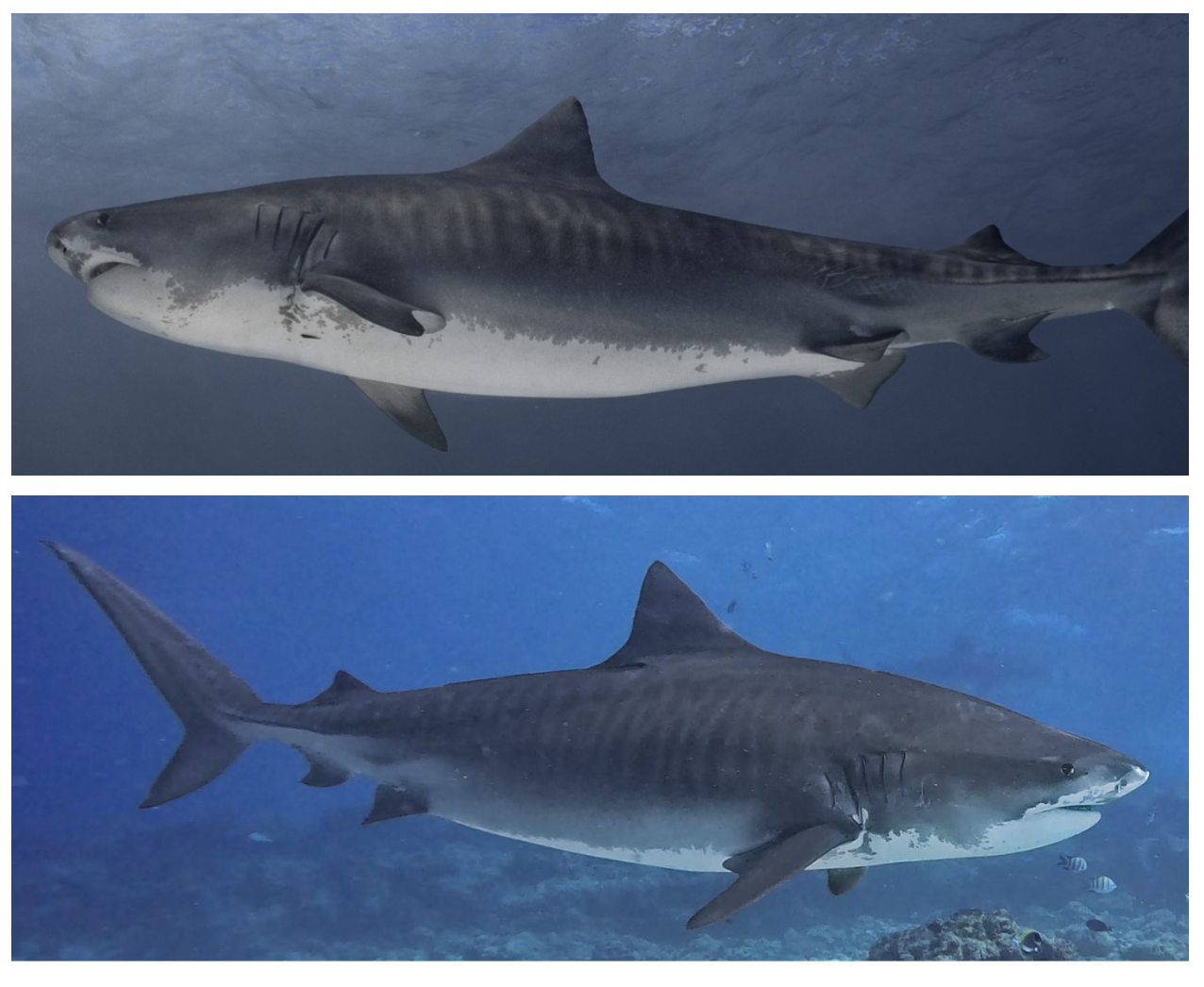
Figure 2. This shark is called Whitepec (F-140)! She is a great example of the different countershading patterns we see on the left (top image) and right (bottom image) sides of her ‘ID zone.’
Some of our sharks can have very similar countershading designs, making it even more difficult to distinguish between two different sharks. Figure 3 shows two more of our identified female tiger sharks, Feimina (top) and Lydia (bottom). The similarity between their left-side countershading makes it difficult to tell the difference between the two of them, especially if they are both present on one dive. The marine biologists then need to use their right-side countershading patterns to differentiate between them. Sometimes the countershading is too difficult to use alone for identification; we can then look at other distinguishing traits like tail fin differences, stripe patterns, or notches in the fins. Cleopatra (F-147), seen in Figure 4, is a great example of using multiple distinguishing traits to properly identify an individual.
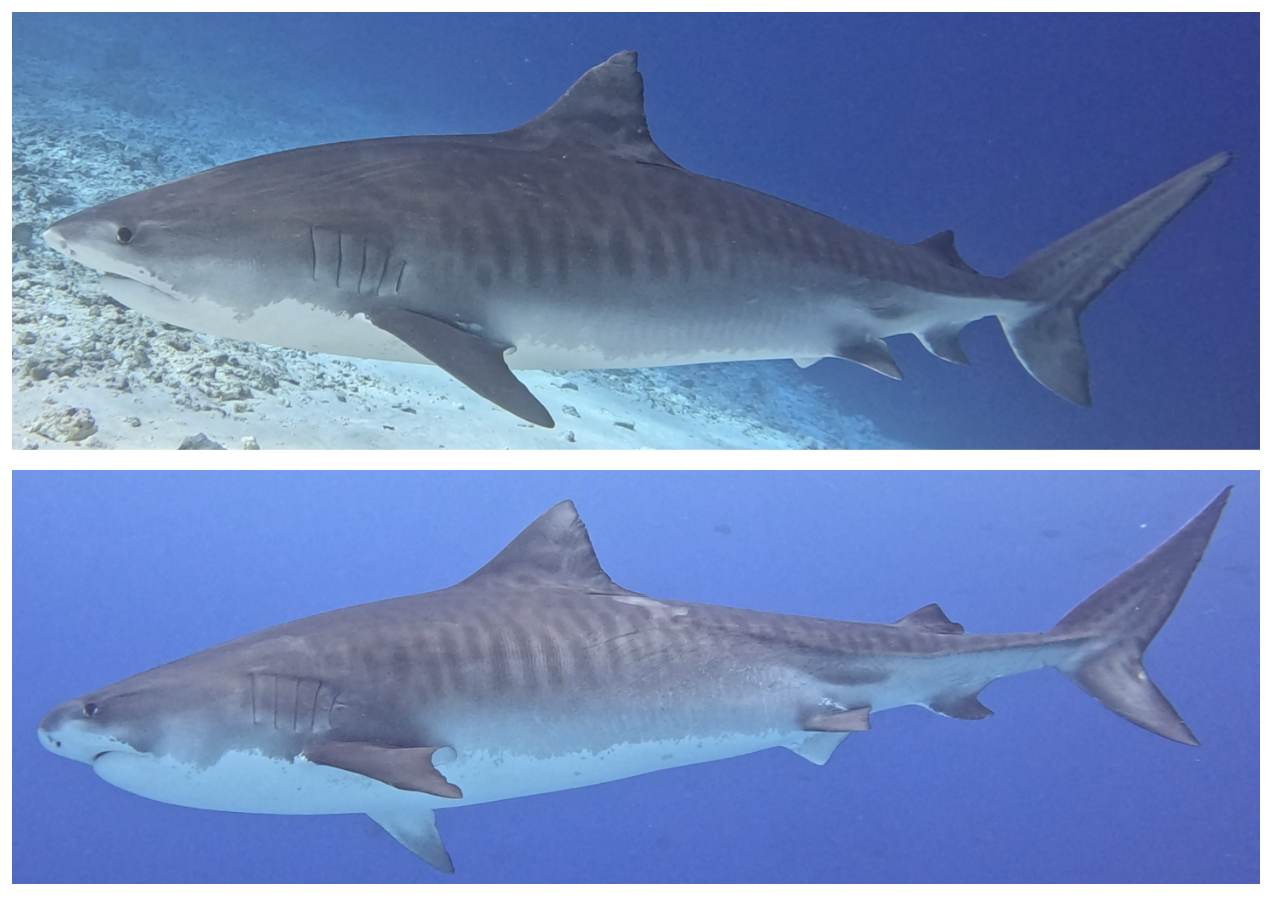
Figure 3. These two female tiger sharks, Feimina (F-010) top image and Lydia (F-113) bottom image, show how similar the countershading can be between two different individuals.
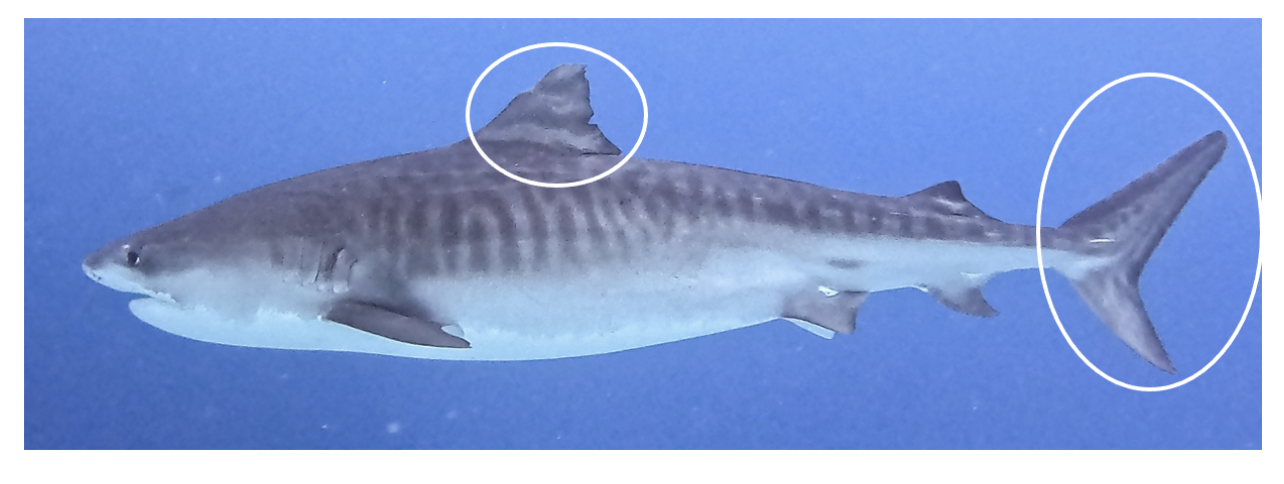
Figure 4. Cleopatra (F-147) has a generic, difficult to ID countershading pattern; instead, we can use distinct notches in her dorsal fin (small circle) and her shortened, blunt caudal fin (big circle) to identify her.
Currently, our IDs are done manually by memorizing the patterns for each shark and referencing the ID catalogue for unknown individuals. Many people wonder why we aren’t using AI technology to streamline the process and make our lives easier. The problem with relying on AI is it will decrease the ability of the marine biologists to identify the sharks in the water. Even though memorizing the countershading patterns for each shark is long, tedious work, it is a necessary learning process so we can ID the sharks during the dives. In-water identification allows the marine biologists to also make observational notes on their individual personalities and behaviour towards other sharks. We will, however, slowly introduce AI into our identification protocols as it is a highly useful tool.
Speaking of individual shark personalities; would it surprise you to learn that all our sharks not only have their own names, but ALSO super unique personalities! Some can be calm, peaceful and even a bit shy, while others show off their confidence, dominance and cheekier sides! Jawgina (F-128; Fig. 5) is known as a sweet baby angel who approaches slowly with a quiet curiosity. Shaiha (F-108; Fig. 6) on the other hand, is a highly dominant female who swims quick and with purpose to bully smaller sharks away. Keep an eye out for future Science Blog posts where we’ll dive deeper into the different personalities and behaviours of our identified tiger sharks!
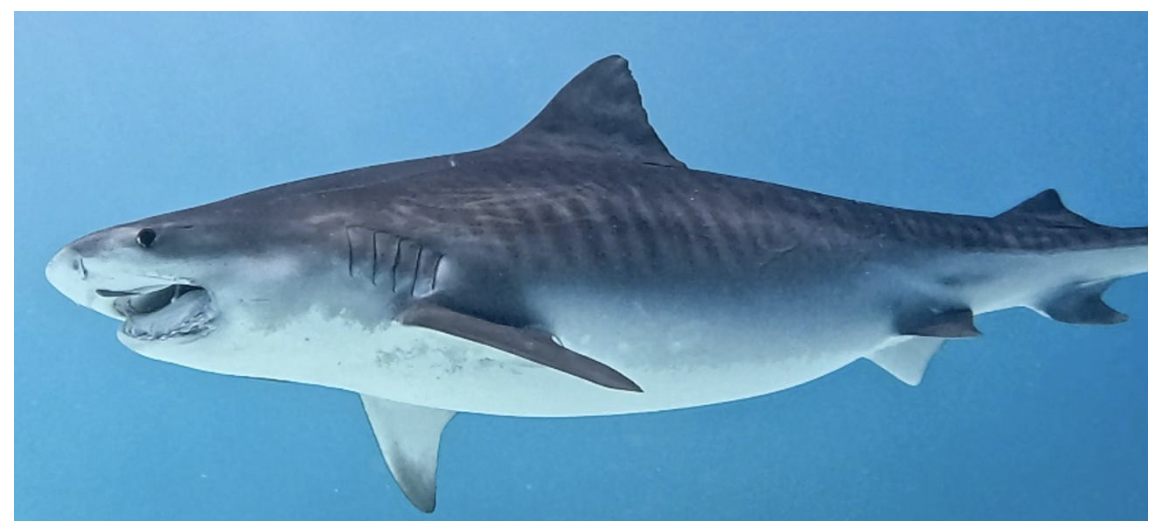
Figure 5. Identified female tiger shark Jawgina (F-128), aptly named because of her relocated left jaw.
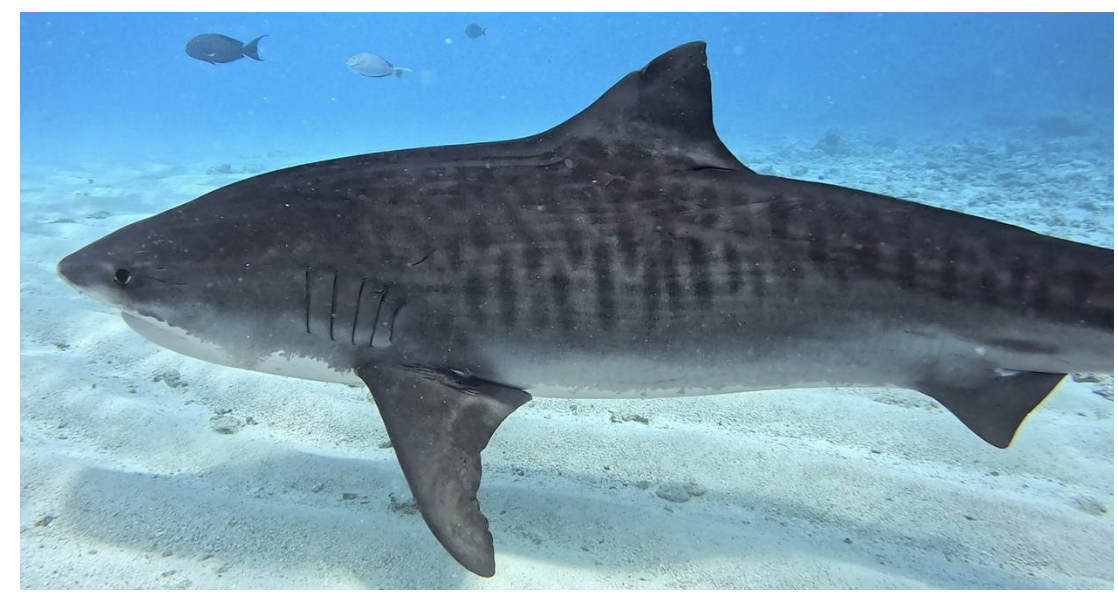
Figure 6. Identified female tiger shark Shaiha (F-108).
FAQs
What do the ‘F-123’ numbers mean that I see in parenthesis behind the shark’s name?
The F-000 is a secondary naming system researchers have for each identified shark. The ‘F’ stands for Female, and the numbers afterward mark which identified shark the individual is. For example, F-010 is the numbering name for Feimina, which means she is a female shark (F) and she is the tenth female shark in the ID catalogue. The male sharks get ‘M’ labels so that the fifth identified male shark in the catalogue is known as M-005, Sharippe. Each identified shark has a name as well as the numbering system to keep data organized.
Why are there so many more identified female tiger sharks than male tiger sharks (276 vs 44)?
Like many shark species, tiger sharks show what is called sexual segregation, which means males and females are not typically seen together unless for mating purposes or in mating seasons. The female tiger sharks use the waters of Fuvahmulah as a pregnancy ground, so they stay in the area for nearly 9 months at a time while they are pregnant. Because there are so many large females in Tiger Harbour, we don’t typically see males enter the harbour. Keep an eye on the Science Blog series to get more information on tiger shark pregnancies and the importance of Fuvahmulah!
About the Author
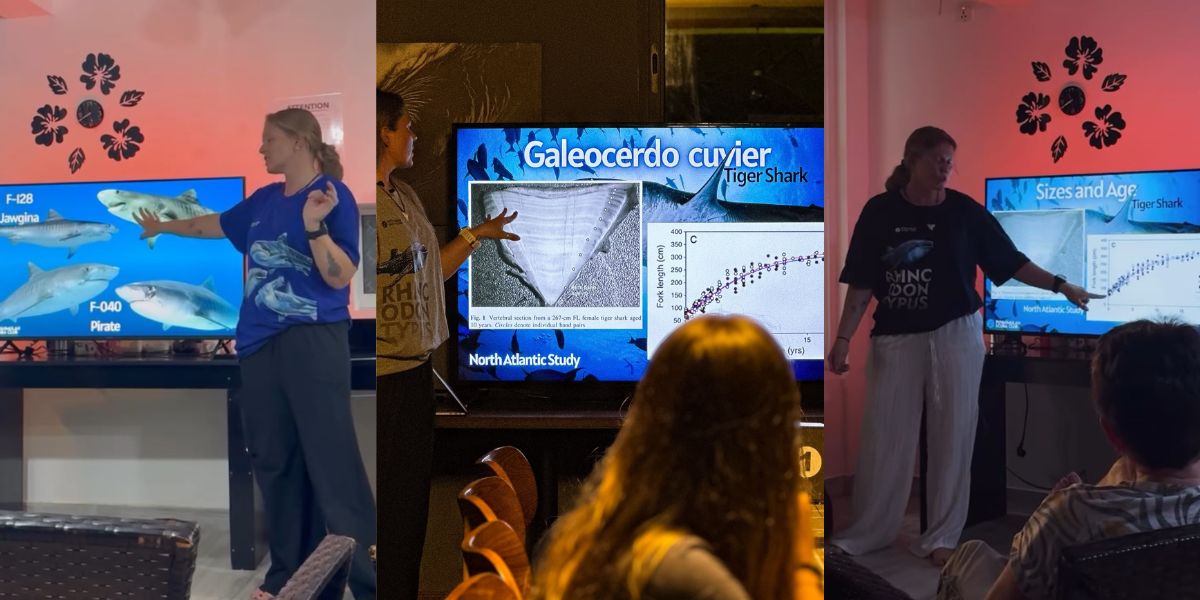
Kelsey Taylor is the Resident Marine Biologist at Cozy Scuba Club, leading marine research and conservation initiatives in Fuvahmulah. Her work focuses on tiger shark photo identification, behaviour, laser photogrammetry, coral monitoring, and guest marine education.
Through daily field observations and long-term research, she helps expand our understanding of one of the world's most unique tiger shark populations while sharing that knowledge with divers from around the world.
Experience the Research First-Hand
When you dive with Cozy Scuba Club, you're not simply joining a dive, you become part of one of the Maldives' most exciting ongoing marine research programmes.
Guests can:
- Dive with identified tiger sharks
- Attend our complimentary Marine Biology Presentation
- Learn how sharks are identified underwater
- Meet our Marine Biologist
- Experience one of the world's most unique tiger shark destinations
Book your Fuvahmulah adventure with Cozy Scuba Club and discover the science behind every dive.
Recent Articles
-
 Cozy Deck Fuvahmulah: A New Dining Experience for Cozy Scuba Club DiversFood Sep 16, 2026
 -
 Whale Shark Diving in South Ari Atoll, Maldives: Complete GuideStory Sep 16, 2026
 -
-
 Fuvahmulah Tiger Shark Diving Packages: Choose the Right Trip for YouStory Sep 12, 2026
 -
Why the Fuvahmulah Marine Ecosystem is Healthy & RichStory Aug 13, 2026